

Data silos sit at the core of most modern marketing challenges. Teams are pulling in data from an increasing number of platforms, channels, and tools, each with its own structure and logic. Bringing that data together in a way that’s reliable, accessible, and ready for analysis has become a foundational requirement. This is where data warehouses come in.
A data warehouse gives teams a centralized, structured environment for storing and analyzing data, enabling faster reporting, more consistent insights, and better decision-making across the business. But choosing the right warehouse goes beyond features. It shapes how your team accesses data, how quickly you can generate insights, and how much technical effort is required to maintain your setup.
In this guide, we’ll cover what data warehouses are, what to consider when choosing one, and the top platforms to look at in 2026.
Quick Summary: Top Data Warehouse Platforms in 2026
Here’s a quick overview of the leading data warehouse platforms, each suited to different teams, stacks, and use cases:
- Adverity – Composable data platform offering managed or bring-your-own warehouse flexibility
- Amazon Redshift – AWS-native warehouse designed for scalable data processing
- Google BigQuery – Serverless warehouse with seamless integration into the Google ecosystem
- Snowflake – Cloud-native warehouse with strong scalability and cross-cloud support
- Azure Synapse Analytics – Microsoft’s integrated analytics and data warehousing solution
- Firebolt – Fast, cost-efficient warehouse optimized for large-scale analytics workloads
- Teradata – Enterprise-grade platform for complex, large-scale data environments
- Oracle Autonomous Data Warehouse – Self-managing warehouse with built-in automation
- Databricks – Lakehouse platform combining data warehousing, data lakes, and AI workloads
- IBM Db2 Warehouse – Enterprise data warehouse with strong governance and flexible deployment options
- Amazon Athena – Serverless query service for analyzing data directly in S3 without a traditional warehouse
Each platform takes a different approach depending on infrastructure, performance needs, and team setup.
What is a data warehouse?
A data warehouse is a centralized repository that stores structured, processed data in a format optimized for querying and analysis. Data is typically cleaned and transformed before being loaded, allowing teams to run queries efficiently and generate consistent reports.
Data warehouses are commonly used to support business intelligence tools, dashboards, and analytics workflows.
Why data warehouses matter for marketers
Marketing teams rely on data from a wide range of sources, from ad platforms and analytics tools to CRM systems and ecommerce platforms. Without a central place to store and standardize that data, reporting becomes fragmented and time-consuming.
A data warehouse supports:
- Consistent reporting across channels and teams
- Faster access to insights through optimized querying
- Historical analysis for trend tracking and forecasting
- Shared access to data across marketing, analytics, and leadership teams
With a well-structured warehouse in place, teams spend less time preparing data and more time using it.
Key factors when choosing a data warehouse
Choosing a data warehouse depends on how your team works with data, your existing infrastructure, and how you expect your needs to evolve.
Ecosystem compatibility
Many warehouses are closely aligned with specific cloud providers. Choosing a platform that fits your existing stack, whether AWS, Google Cloud, or Azure, can simplify integration and reduce operational complexity.
Performance and query speed
Different warehouses handle workloads in different ways. Consider how often you query data, how large your datasets are, and whether you need real-time or near real-time analysis.
Cost model and predictability
Warehouses typically charge based on storage, compute usage, or both. Understanding how costs scale with usage is key, especially as data volumes grow.
Data governance and security
Strong governance features help ensure data is accurate, consistent, and secure. Look for capabilities like access controls, auditing, and metadata management.
Ease of use and accessibility
Some platforms are designed with technical users in mind, while others support broader access across teams. Consider who will be querying the data and how accessible it needs to be.
Scalability
As your data volume and complexity increase, your warehouse should scale without requiring major restructuring.
Composability and flexibility
Modern data stacks often involve multiple tools working together. A warehouse should fit into that ecosystem, allowing you to integrate, transform, and activate data without unnecessary constraints.
Top Data Warehouse Platforms in 2026

1. Adverity Data Storage
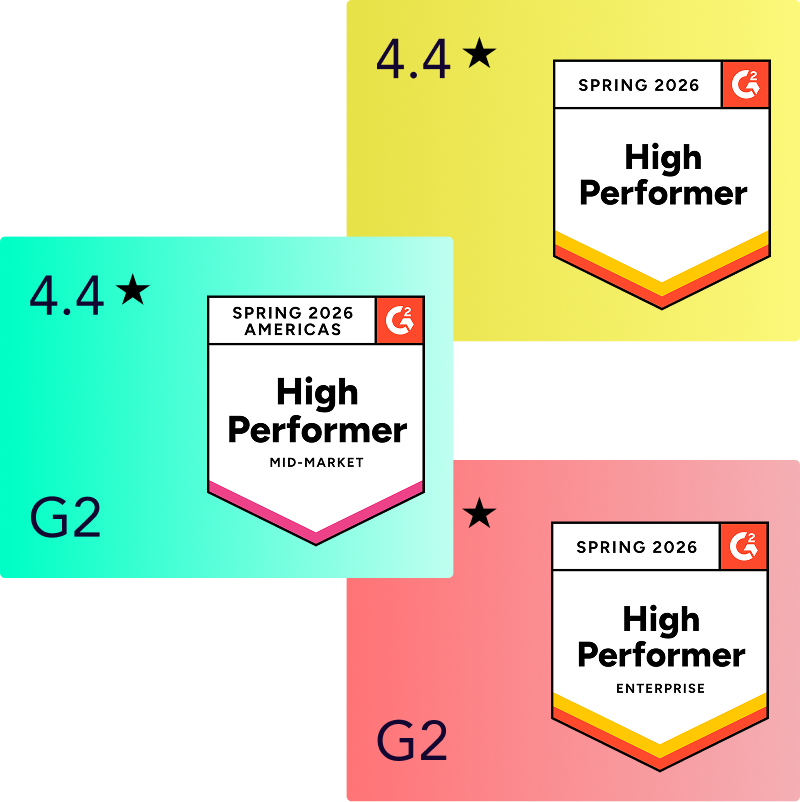
Adverity is a marketing data and intelligence platform that helps teams build a reliable foundation of accurate, consistent data and turn it into actionable insights. It combines data integration, transformation, and governance (Adverity Data) with AI-powered analysis and decision-making (Adverity Intelligence).
The platform supports both managed data environments and bring-your-own warehouse setups, giving teams flexibility in how they structure and scale their data stack.
Who is it for?
Marketing and analytics teams that want to unify, prepare, and analyze their data in one platform, with the flexibility to work with or without a dedicated data warehouse.
G2 Score: 4.4 stars
Website: www.adverity.com
2. Amazon Redshift
Amazon Redshift is a fully managed data warehouse built for AWS environments. It offers scalable storage and compute, with strong integration across AWS services.
Who is it for?
Organizations already using AWS that want a warehouse tightly integrated with their cloud infrastructure.
G2 Score: 4.3 stars
Website: aws.amazon.com/redshift

3. Google BigQuery
Google BigQuery is a fully managed, serverless data warehouse that enables fast SQL queries across large datasets. It integrates closely with the Google Cloud ecosystem and supports real-time analytics use cases.
Who is it for?
Teams working within Google Cloud or those looking for a serverless, low-maintenance warehouse.
G2 Score: 4.5 stars
Website: cloud.google.com/bigquery

4. Snowflake
Snowflake is a cloud-native data warehouse that separates storage and compute, allowing independent scaling of each. It supports deployment across multiple cloud providers and is widely used for its flexibility and performance.
Who is it for?
Organizations that need a scalable, flexible warehouse that can operate across different cloud environments.
G2 Score: 4.6 stars
Website: www.snowflake.com

5. Azure Synapse Analytics
Azure Synapse Analytics is Microsoft’s analytics platform that combines data warehousing and big data processing. It integrates with tools like Power BI and other Azure services.
Who is it for?
Organizations using Microsoft Azure and looking for an integrated analytics and data warehousing solution.
G2 Score: 4.4 stars
Website: azure.microsoft.com

6. Firebolt
Firebolt is a cloud data warehouse optimized for performance and efficiency. It focuses on delivering fast query speeds and cost-efficient analytics at scale.
Who is it for?
Organizations prioritizing performance and cost control for large-scale analytics workloads.
G2 Score: 4.5 stars
Website: www.firebolt.io

7. Teradata
Teradata is an enterprise data platform with a long history in data warehousing. It supports large-scale analytics and complex data environments with strong governance capabilities.
Who is it for?
Large enterprises with complex data needs and established data teams.
G2 Score: 4.3 stars
Website: www.teradata.com

8. Oracle Autonomous Data Warehouse
Oracle Autonomous Data Warehouse is a cloud-based warehouse that automates tasks such as tuning, scaling, and patching. It is designed to reduce administrative overhead while maintaining performance.
Who is it for?
Organizations using Oracle technologies or those looking for a highly automated data warehouse solution.
G2 Score: 4.3 stars
Website: www.oracle.com

9. Databricks
Databricks is a lakehouse platform that combines data warehousing and data lake capabilities in a single architecture. It enables teams to store, process, and analyze large volumes of structured and unstructured data, with strong support for AI and machine learning workloads.
Who is it for?
Organizations working with large-scale data and AI use cases that want a flexible, unified analytics platform beyond a traditional warehouse.
G2 Score: 4.5 stars
Website: www.databricks.com

10. IBM Db2 Warehouse
IBM Db2 Warehouse is an enterprise data warehouse designed for high-performance analytics across large and complex datasets. It offers deployment flexibility across cloud, on-premises, and hybrid environments, with strong governance and security capabilities.
Who is it for?
Enterprises with complex data environments that require robust governance, security, and flexible deployment options.
G2 Score: 4.2 stars
Website: www.ibm.com/products/db2/warehouse

11. Amazon Athena
Amazon Athena is a serverless query service that allows teams to analyze data directly in Amazon S3 using SQL, without requiring data to be loaded into a traditional warehouse. It is often used alongside data lakes to support flexible, on-demand analytics.
Who is it for?
Teams using AWS that want a lightweight, serverless way to query data without managing warehouse infrastructure.
G2 Score: 4.4 stars
Website: aws.amazon.com/athena
Do you need to manage your own data warehouse?
Setting up and maintaining a data warehouse involves decisions around infrastructure, data modeling, governance, and ongoing optimization. For many teams, this requires dedicated technical resources and ongoing oversight.
Some platforms take a more flexible approach by allowing teams to connect to an existing warehouse or use a managed environment, depending on their needs. This can simplify setup, reduce operational overhead, and make data more accessible across the organization.
Conclusion
Data warehouses play a central role in modern data architecture, providing the foundation for reporting, analytics, and decision-making.
The right choice depends on your existing infrastructure, your team’s technical capabilities, and how you want to work with data. Some platforms offer deep control and customization, while others prioritize simplicity and accessibility.
By focusing on how your team accesses, manages, and uses data, you can choose a warehouse that supports both your current needs and future growth.